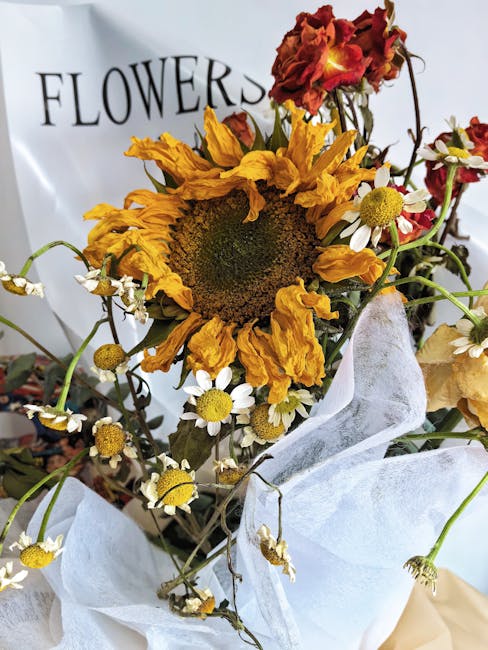
Why Your Pinner Bouquet Wilted and How We Fix It
Posted on 22/05/2026
If your bouquet looked fresh at the door and then drooped by evening, you are not imagining it. Wilted flowers are frustrating, especially when the arrangement was meant for a birthday, a thank-you, a wedding table, or one of those moments where you really want everything to feel just right. In this guide to Why Your Pinner Bouquet Wilted and How We Fix It, we'll break down what usually goes wrong, how to spot the real cause, and what we do to put things right without fuss.
Truth be told, most bouquet problems come down to a handful of practical issues: water, temperature, transit, conditioning, or simply the wrong flowers for the wrong conditions. The good news? Most of them can be corrected, and often quickly. If you want the bigger picture on care and handling, our flower care guide is a helpful place to start, and for urgent local orders you can always look at same-day flower delivery in Pinner or our wider flower delivery Pinner service.
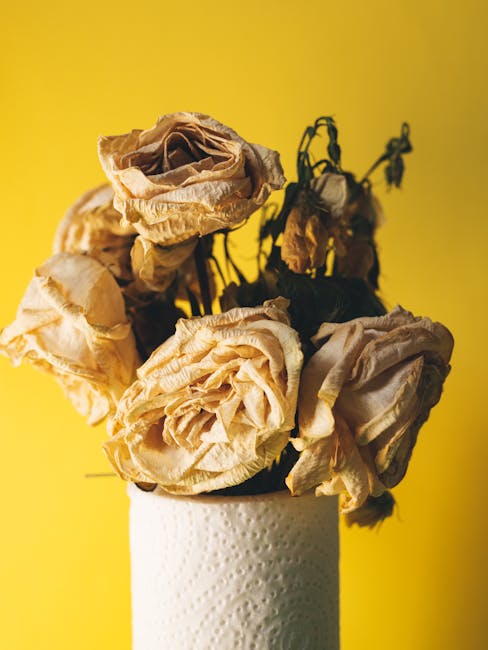
Table of Contents
- Why Why Your Pinner Bouquet Wilted and How We Fix It Matters
- How Why Your Pinner Bouquet Wilted and How We Fix It Works
- Key Benefits and Practical Advantages
- Who This Is For and When It Makes Sense
- Step-by-Step Guidance
- Expert Tips for Better Results
- Common Mistakes to Avoid
- Tools, Resources and Recommendations
- Law, Compliance, Standards, or Best Practice
- Options, Methods, or Comparison Table
- Case Study or Real-World Example
- Practical Checklist
- Conclusion
- Frequently Asked Questions
Why Why Your Pinner Bouquet Wilted and How We Fix It Matters
A wilted bouquet is not just a cosmetic issue. It changes how the gift feels. A celebration bouquet that arrives tired can make the whole moment feel flat; a sympathy arrangement that loses shape can feel less composed than it should; a wedding hand-tied that opens badly can create stress you really do not need on the day. Flowers are part emotion, part presentation, part timing. When one of those slips, the whole arrangement suffers.
In Pinner, where people often order flowers for tight schedules, busy homes, workplaces, and doorstep surprises, freshness matters even more. A bouquet can be beautiful on the design table and still struggle if it spends too long in heat, sits in a warm hallway, or is left without enough water after delivery. That is why our approach is practical rather than vague. We look at what happened, why it happened, and what can be done now.
There's another reason this matters: the fix is usually simple once you know the cause. Many people assume a bouquet was "bad" when actually it was a water issue, a transport issue, or a care issue. That distinction matters because it helps you avoid repeating the same mistake. And, lets face it, nobody wants to pay twice for the same disappointment.
If you are choosing flowers for a specific occasion, it also helps to pick the right product format from the start. Some designs travel better in a vase; others hold up well as hand-tied stems. Browsing options like flowers in a vase, baskets and posies, or sprays can make a real difference to longevity and presentation.
How Why Your Pinner Bouquet Wilted and How We Fix It Works
At its core, a bouquet wilts when stems stop taking up enough water or when the flowers lose moisture faster than they can replace it. That sounds technical, but the practical version is easy to understand: flowers need clean water, cool conditions, fresh stem cuts, and a sensible journey from florist to home.
When something goes wrong, we work through the likely chain of events. Was the bouquet delayed in transit? Was it left in a warm porch? Were the stems cut before the flowers were placed in water? Did the bouquet include delicate blooms that are naturally shorter-lived? Once you isolate the cause, the solution becomes much clearer.
Here is the usual flow:
- We inspect the visible condition of the flowers, stems, foliage, and water level.
- We identify whether the issue is dehydration, temperature stress, bruising, or age.
- We refresh the stems, remove damaged material, and improve water uptake.
- We advise on placement, vase hygiene, and aftercare for the specific flower mix.
- If the bouquet qualifies under our service terms, we move on to the appropriate resolution.
That is the part many people miss: not every wilted bouquet needs the same fix. A rose bouquet that has bent at the neck may need hydration and a sharper stem cut. A mixed spring bouquet may need cooler placement and foliage trimming. A vase arrangement may recover better than a tightly bound hand-tied design. Same symptom, different cause. Very annoying, but fixable.
If timing is the issue, the answer may be to switch to a more direct delivery choice such as next-day flower delivery in Pinner, or for the fastest turnaround, our same-day option. If the bouquet is being sent rather than collected, our send flowers service can be the cleaner route because it reduces unnecessary handling.
Key Benefits and Practical Advantages
Fixing a wilted bouquet properly does more than rescue one arrangement. It improves your future orders, your timing, and your confidence. A small amount of care now can save a lot of hassle later.
- Better vase life: Correcting the cause early usually extends the bouquet's display time.
- Less waste: If stems can be revived, you do not need to replace the entire arrangement immediately.
- More reliable gifting: You can choose flowers and delivery slots with more certainty next time.
- Clearer product choice: Some styles are simply better for transport, which helps with planning.
- Better value: The right care often protects the investment you have already made.
There is also a comfort factor. A bouquet that looks cared for feels cared for. That matters in homes, receptions, offices, hospitals, and family settings. We see it all the time: one small adjustment to water, temperature, or packaging, and the whole arrangement suddenly looks like itself again.
For shoppers comparing styles, it can help to choose blooms that are naturally sturdy. Alstroemeria, carnations, chrysanthemums, germini, and lilies are all popular choices when longevity is a priority.
Who This Is For and When It Makes Sense
This topic is for anyone who has ever opened a bouquet and thought, "That was lovely a minute ago... what happened?" It may be a gift for a birthday, a sympathy tribute, an apology, a thank-you, or a wedding-related arrangement. Different occasions, same pain point: the flowers need to hold their shape long enough to be enjoyed.
It makes particular sense if you are:
- sending flowers to a home where nobody will be there immediately to receive them
- ordering for a warm office, reception desk, or sunny window ledge
- choosing blooms for a day with a tight timetable
- working with delicate flowers such as some roses or hydrangeas
- planning a wedding, funeral, or event where appearance has to stay consistent for hours
Not every bouquet needs specialist handling, to be fair. But if the arrangement is meaningful, time-sensitive, or expensive, a little extra attention is worth it. A customer once described a bouquet as looking "a bit sleepier than it should have" after a long afternoon on the kitchen table. That is exactly the sort of issue we can usually solve with the right re-cutting, hydration, and placement advice. Nothing dramatic. Just smart handling.
If you are ordering for a special event, browsing categories like birthday flowers, sympathy flowers, or bridal bouquets can help you choose an arrangement that suits the occasion and the environment.
Step-by-Step Guidance
If your Pinner bouquet has wilted, here is the practical order of operations. Do these calmly and in sequence. There is no prize for rushing.
- Check the water immediately. If the vase is dry or low, top it up with fresh, cool water straight away.
- Recut the stems. Trim 1-2 cm off the base at an angle so the flowers can drink again. Use clean scissors or flower shears.
- Remove damaged foliage. Leaves below the waterline encourage bacteria and shorten vase life.
- Clean the vase. A fresh vase matters more than people think. Residue builds up quickly and it is not pretty.
- Move the bouquet out of heat. Keep it away from radiators, direct sun, appliances, and fruit bowls.
- Support the blooms. Remove crushed outer petals or tired stems if they are dragging the arrangement down.
- Monitor for two to four hours. Some flowers perk up quickly; others need longer. Give them time.
If the bouquet arrived already weak, the issue may not be your care at all. That is where a florist's assessment matters. We can distinguish between transit fatigue, dehydration, and flowers that were already nearing the end of their best stage. It sounds obvious once said, but in the moment it is easy to blame yourself. Usually unfairly.
For future orders, think about delivery format too. A boxed or posted bouquet may need more careful opening and conditioning than a hand-delivered arrangement. If you want that convenience, flowers by post in Pinner can be a useful option, especially when you are not in a hurry to have the bouquet in a vase immediately.
Expert Tips for Better Results
Once the basics are covered, a few small details make a surprisingly big difference. These are the things that often separate a bouquet that lasts a few days from one that settles in and looks good for longer.
- Use room-temperature water for most mixed bouquets. Very cold water can shock some stems, while lukewarm water is usually a better middle ground.
- Change the water before it looks cloudy. Cloudy water means bacteria are building up. Don't wait.
- Snip stems every couple of days. A tiny trim restores water uptake.
- Keep flowers out of draughts. Open windows are lovely in July, not so lovely for petals.
- Let the bouquet breathe. Crowding it against other decor can bend heads and bruise petals.
- Match flower type to the occasion. If you need resilience, ask for sturdier stems or a mixed design that travels well.
One useful rule of thumb: if your flowers are getting thirsty fast, the vase, not the bouquet, is often the problem. A clean vase with enough water and a sensible location can transform performance. Tiny fix, big payoff.
For shoppers who want more reliable options, our Pinner florist service and best flower delivery in Pinner pages are useful starting points, especially when freshness and speed matter in the same order.

Common Mistakes to Avoid
This is where most bouquet troubles start. Not always, but often enough that it is worth calling out plainly.
- Leaving flowers in wrapping for too long. Pretty wrapping is not a vase.
- Forgetting to trim stems on arrival. The cut ends dry out and seal over.
- Using a vase that is too small. Crowding causes bruising and poor airflow.
- Placing flowers near fruit. Ripening fruit gives off ethylene, which speeds up ageing.
- Putting bouquets in full sun. Lovely light, terrible for longevity.
- Assuming every bloom behaves the same. Roses, lilies, hydrangeas, and seasonal mixes each need slightly different handling.
Another mistake is waiting too long before asking for help. If a bouquet arrives limp and the stems are soft, don't just hope for the best and carry on with your day. Early action gives you the best chance of recovery. Bit of a faff, yes, but worth it.
Tools, Resources and Recommendations
You do not need a full florist bench at home, but a few simple tools make care much easier. If you keep flowers regularly, these are worth having to hand.
- Clean scissors or floral snips: For fresh stem cuts.
- A good vase: Wide enough for the stems, stable enough not to tip.
- Fresh water: Changed regularly, not topped up forever and forgotten.
- Flower food: Helpful where provided, especially for mixed bouquets.
- Paper towels: Useful for drying and cleaning the vase.
On the buying side, a good resource is simply choosing the right product type for the occasion. A hand-tied arrangement may suit a formal gift, while a vase arrangement is better if you want instant display. If you need inspiration, our best sellers and luxury flowers collections are useful places to compare style and structure.
For trust and service information, it also helps to review practical pages like delivery details, returns and refund guidance, and our guarantees. Those pages set expectations clearly, which matters when flowers are time-sensitive.
Law, Compliance, Standards, or Best Practice
This topic does not usually involve heavy regulation in the way food or medicine might, but there are still important standards and best practices. In the UK, a florist should be clear about what is being delivered, when, and under what conditions. Honest product descriptions, careful substitutions where needed, and transparent terms are part of good service, not just nice extras.
Best practice also means protecting customer data, handling payments responsibly, and being clear about delivery limitations. If an arrangement is seasonal, fragile, or likely to vary slightly from the photograph, that should be communicated plainly. It is a simple point, but an important one.
There are also ethical and operational expectations behind the scenes. Pages like about us, sustainability, modern slavery statement, privacy policy, and terms and conditions help show how a business works and what customers can expect. That may not sound as romantic as roses, but it builds trust. And trust matters, especially when people are sending flowers for moments that carry real weight.
Options, Methods, or Comparison Table
Not every bouquet needs the same treatment. Some formats are naturally more robust; others are better for visual impact or immediate display. Here's a simple comparison to help you choose more wisely.
| Format | Best for | Wilt risk | Practical note |
|---|---|---|---|
| Hand-tied bouquet | Gift-giving and flexible presentation | Medium | Needs prompt unwrapping and immediate water |
| Vase arrangement | Instant display and lower handling | Lower | Ideal if the recipient may be busy or away |
| Basket or posy | Stable presentation and easier placement | Lower to medium | Good for care settings, sympathy, and short-term display |
| Delicate seasonal mix | Soft, romantic styling | Higher | Beautiful, but it rewards careful temperature control |
If freshness and resilience are the priority, a vase arrangement or a sturdier mixed bouquet is often the safest choice. If beauty and texture matter more than endurance, a softer mix can still be perfect - you just need better aftercare. It depends what you want the flowers to do for you.
Case Study or Real-World Example
One afternoon, a customer in Pinner contacted us after receiving a bouquet that had started to droop before the second day was over. The flowers themselves were still lovely, but the stems were soft, the water was cloudy, and the bouquet had been left in a warm room near a window. Classic case. The petals were not failing first; the hydration was.
We walked through the recovery steps: fresh vase, clean water, stem recut, removal of tired leaves, and relocation to a cooler spot away from direct sun. Within a short time, the arrangement looked noticeably better. Not magic, just proper handling. The customer later said the bouquet had gone from "a bit miserable" to presentable again, which is honestly the best kind of feedback in this line of work.
The takeaway was simple. The bouquet had not been doomed. It had been placed in the wrong environment for too long. That is the kind of issue we see most often, and it is exactly why advice matters as much as the flowers themselves.
Practical Checklist
Use this quick checklist if your bouquet has started to wilt:
- Check whether the vase has enough clean water
- Trim stems with clean scissors
- Remove leaves below the waterline
- Wash the vase properly
- Move the flowers away from heat and direct sunlight
- Look for damaged or bruised stems
- Replace cloudy water promptly
- Keep fruit, radiators, and draughts away from the bouquet
- Use flower food if supplied
- Contact the florist if the bouquet arrived weak or damaged
Expert summary: Most wilted bouquets are not "lost"; they are dehydrated, overheated, or poorly conditioned. Fix the environment first, then the stems, then the water. In that order.
Conclusion
So, why did your Pinner bouquet wilt? Usually because something interrupted the flower's ability to drink, breathe, or stay cool. And how do we fix it? By tracing the cause properly, then correcting the care, the handling, or the delivery setup with as little guesswork as possible.
That is the real value here. Not just making flowers look better for a few hours, but understanding what keeps them fresh in the first place. When you get that right, the bouquet lasts longer, looks better, and feels like the gift it was meant to be.
If you are ordering again, choose the format that fits the occasion, check the delivery timing, and do not be afraid to ask for help when you need it. A good florist should make that part easy.
Get a free quote today and see how much you can save.
And if you need help with a fresh order, start with our flower shops in Pinner page or go straight to contact us. Sometimes the best fix is simply getting the next bouquet exactly right.
Frequently Asked Questions
Why did my Pinner bouquet wilt so quickly?
The most common reasons are lack of water, a dirty vase, heat exposure, or delayed stem conditioning. Sometimes the bouquet was already delicate when it arrived, and sometimes the room environment did the damage after delivery.
Can a wilted bouquet be revived?
Often, yes. Freshly cut stems, clean water, removal of damaged leaves, and a cooler location can revive many bouquets. If the stems are very soft or the flowers were already old, recovery may be limited.
How long should a fresh bouquet last?
That depends on the flower types, the weather, the vase care, and how quickly the bouquet was placed in water. Sturdier blooms tend to last longer, while more delicate flowers need closer attention.
What flowers last best in a bouquet?
Flowers like alstroemeria, carnations, chrysanthemums, germini, and some lilies are often chosen for better vase life. They are not indestructible, but they usually handle delivery and display well.
Does same-day delivery affect freshness?
It can actually help, because shorter transit time often means less stress for the flowers. The key is prompt handling after delivery. Our same-day flower delivery in Pinner service is designed with that speed in mind.
Should I unwrap my bouquet straight away?
Yes, in most cases. Once the bouquet arrives, it should be placed in water as soon as possible. Keeping it wrapped for too long can slow hydration and trap heat around the stems.
Why do some bouquets wilt more than others?
Flower type, stem strength, packaging, and delivery conditions all play a part. A hand-tied bouquet of softer blooms may need more care than a vase arrangement made with hardier flowers.
What should I do first if the bouquet arrived drooping?
Check the water, recut the stems, and move it somewhere cool. If it still looks weak after a few hours, contact the florist with clear photos and delivery details.
Is a vase arrangement better than a hand-tied bouquet?
For immediate display and lower handling, often yes. A vase arrangement is usually easier for the recipient because the flowers arrive ready to enjoy.
Can heat in the home make flowers wilt faster?
Absolutely. Radiators, sunny windowsills, kitchens, and warm rooms can all shorten vase life. Even a lovely bright spot can be too much for some flowers by mid-afternoon.
What if my bouquet was for a funeral or sympathy occasion?
Those arrangements need calm handling and dependable structure. If you are sending a tribute, checking the suitability of the format matters. Our funeral flowers in Pinner and tributes pages can help you choose something appropriate.
How do I choose the safest bouquet for delivery?
Choose a design that suits the occasion, avoid overly fragile blooms if timing is tight, and look for a florist that explains delivery and care clearly. If you want a reliable starting point, our best flower delivery in Pinner page is a good place to compare options.